the beginning
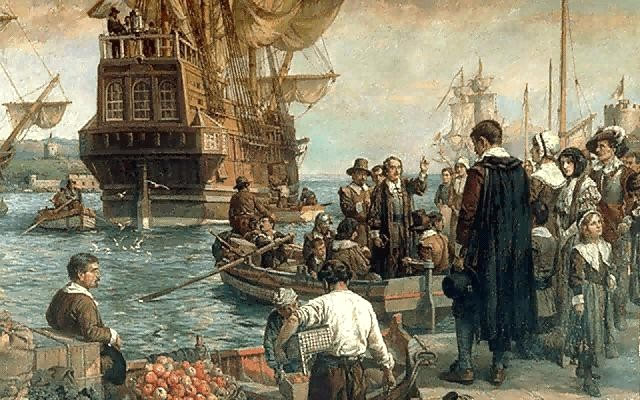
The U.S. Dollar did not exist in Colonial America. Instead, the ‘monetary system’ was composed of a mix of several different methods of payments, some of which will be discussed here.
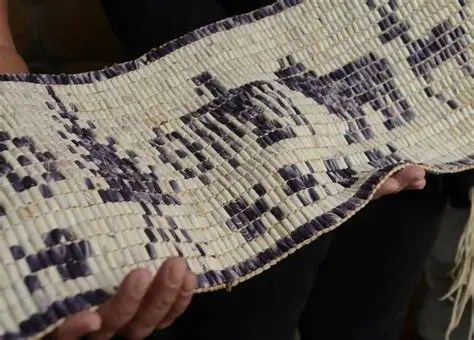
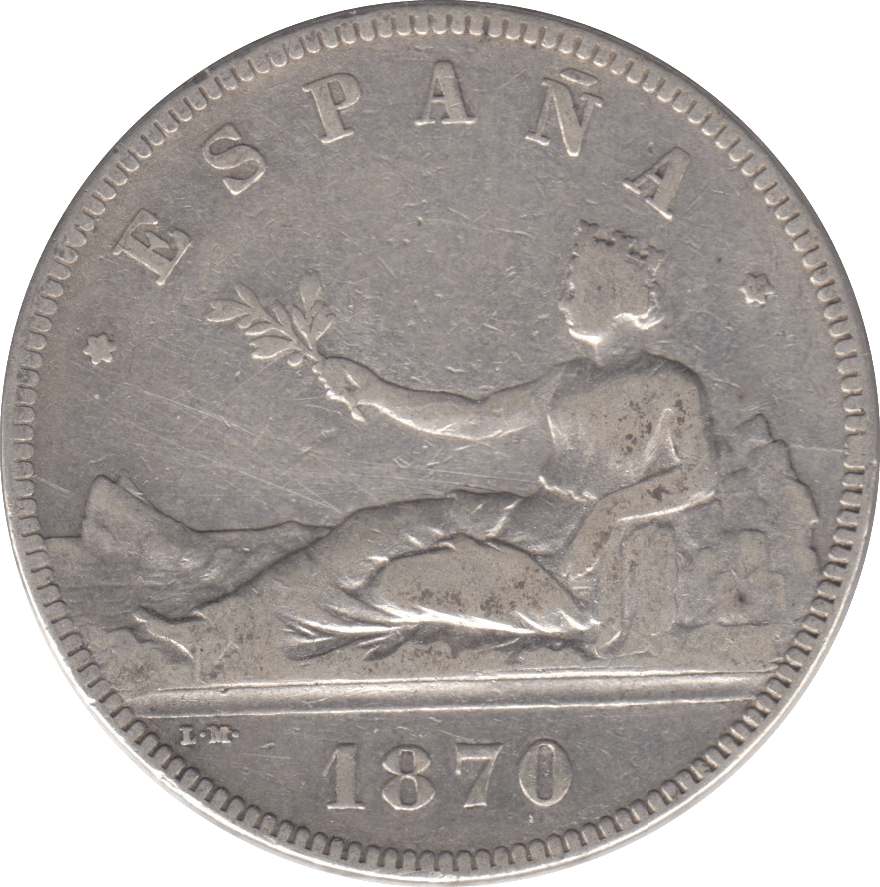
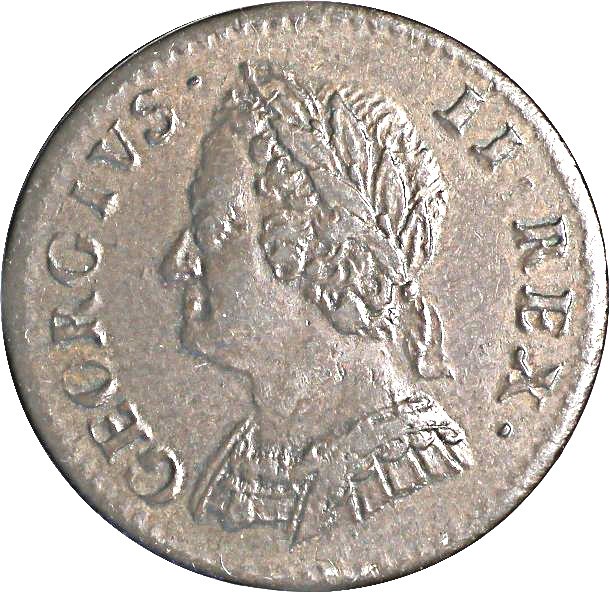
During the Colonial Era, beginning in 1607 when the first colony was established, there was no standardized system for payment across the region. Instead, transactions were made using a mix of different currencies, such as specie (coins) like the British pound sterling and, more commonly, the Spanish dollar, as well as alternatives like wampum (strings of polished shells used by Native Americans) or commodities like alcohol, labor, lumber, and tobacco. Tobacco was especially important because of its popularity in Europe as a recreational drug, making it widely accepted across colonies as a form of payment. Later on, the actual leaves were substituted with tobacco notes, also known as a writ, which could be used to exchange for goods and services. This type of currency, known as representative money (money backed by a specific amount of an asset), could also have been backed by real estate, in which there was an abundance of in colonies, unlike gold and silver. However, this system resembled a bank or lender more than a modern currency system since land was used as collateral in exchange for the paper notes distributed by colonial land offices, and failure to repay the amount borrowed would result in the estate’s foreclosure.
Several problems arose during this time period. Not only was the value of tobacco contentious among merchants, but there was also no agreement on the value of coins such as the shilling or the Spanish dollar, further complicating trade. The Massachusetts Bay Colony found limited success in minting its own coins after supplies of the Spanish dollar were cut off by the Navigation Acts of 1651, but that soon was struck down by the British monarchy.
In 1690, fiat paper money made its first appearance in the colonial U.S as Massachusetts once again attempted to solve the currency crisis. Unlike coins or commodity-backed money, this type of currency held no inherent value but rather derived its worth from the people’s trust in the government. In an article for the Foundation of Economic Education, Rothbard states that the Massachusetts colony had “the dubious distinction of having promulgated the first governmental paper money in the history of the Western world.”What could be considered the first predecessor to the U.S. dollar found surprising success until the Currency Acts of 1751 and 1764, enforced by the British Parliament, restricted the use of fiat money to payment for taxes only, as well as forbade the act of valuing the bills against gold or silver. Nevertheless, this event marked the first precedent of an independent bill circulated by the government in the United States, setting the foundation for what would eventually become the modern-day dollar.

References:
Joshua J. Mark, “Colonial American Currency,” World History Encyclopedia, last modified April 20, 2021, https://www.worldhistory.org/article/1729/colonial-american-currency/
Sharon Ann Murphy, “Early American Colonists Had a Cash Problem. Here’s How They Solved It,” TIME, February 27, 2017, https://time.com/4675303/money-colonial-america-currency-history/
Murray N. Rothbard, “Mercantilism: A Lesson for Our Times?” Foundation for Economic Education, November 1, 1963, https://fee.org/articles/mercantilism-a-lesson-for-our-times/
 Currency Cornucopia